Honey Garlic Butter Salmon – Simple, Saucy, and Weeknight-Friendly
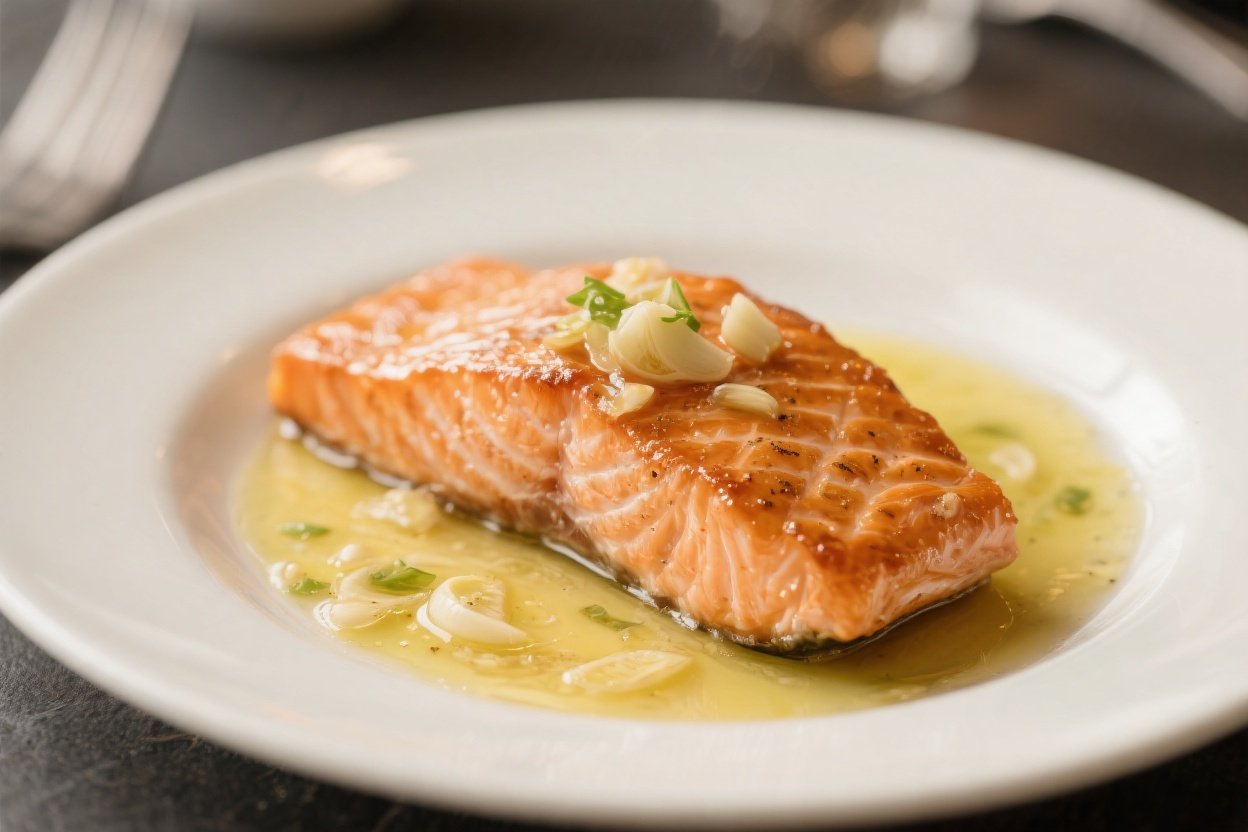
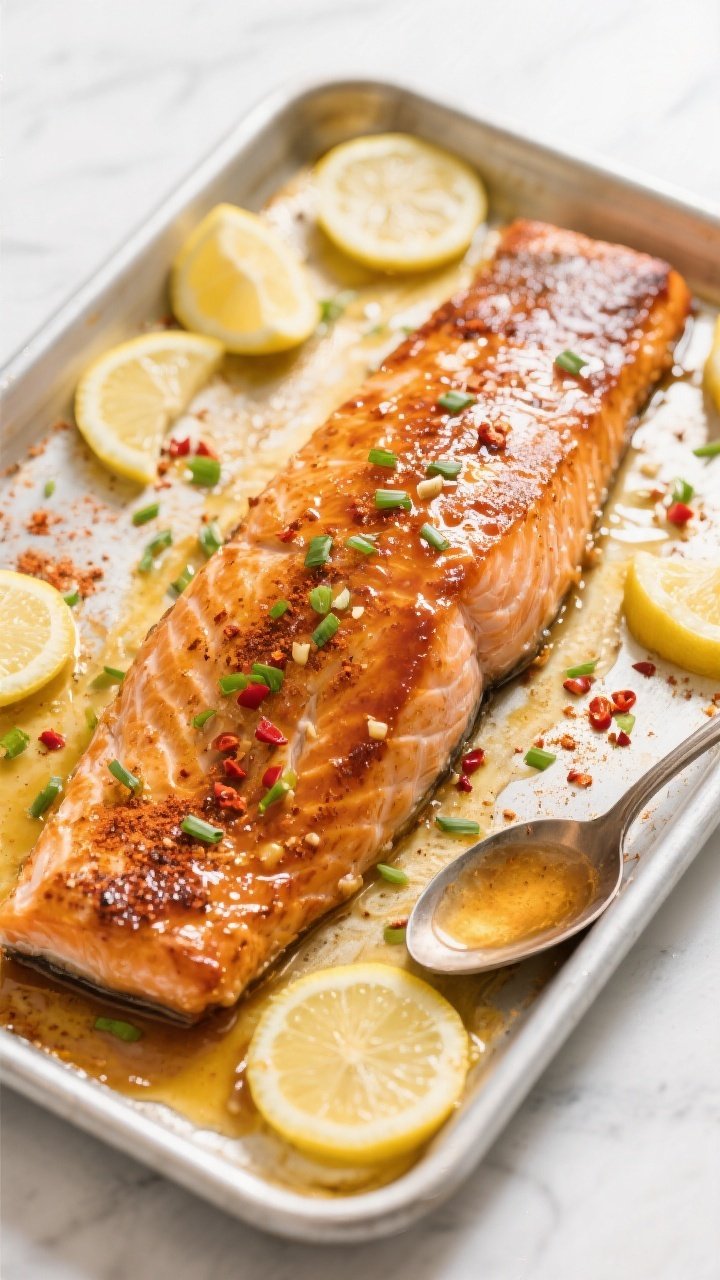
Few dinners feel as comforting and impressive as a skillet of honey garlic butter salmon. It’s the kind of meal that tastes restaurant-quality but takes about 20 minutes from start to finish. The flavors are warm, sweet, garlicky, and a little zippy from lemon.
Best of all, the sauce practically makes itself in the pan. Serve it with rice, potatoes, or a crisp salad, and you’ve got a balanced, satisfying plate with almost no stress.
Ingredients
Method
- Prep the salmon: Pat the salmon dry with paper towels. Season both sides with salt and pepper. If using individual fillets, let them sit at room temperature for 10 minutes to cook more evenly.
- Preheat and position: Heat your oven to 400°F (if finishing in the oven). Place an oven-safe skillet over medium-high heat. If you prefer stovetop-only, have a lid ready.
- Make the sauce base: In a small bowl, whisk together honey, lemon juice, and soy sauce. Keep the garlic separate for now to avoid burning during the initial sear.
- Sear the salmon: Add olive oil to the hot skillet. Place salmon in the pan skin-side down if using skin-on. Cook without moving for 3–4 minutes to develop a golden crust.
- Add butter and garlic: Reduce heat to medium. Drop in the butter and let it melt. Add the garlic and cook for 20–30 seconds, stirring, until fragrant. Do not brown the garlic.
- Glaze with honey mixture: Pour the honey-lemon-soy sauce around and over the salmon. Sprinkle in smoked paprika and red pepper flakes if using. Spoon sauce over the fish.
- Finish cooking: Oven method: Transfer the skillet to the oven and roast for 5–8 minutes, depending on thickness, until the salmon flakes easily and reaches 125–130°F in the thickest part.
- Stovetop method: Cover and cook on low for 3–6 minutes, basting occasionally, until just cooked through.
- Rest and reduce: Remove the salmon to a plate and let it rest for 2–3 minutes. Meanwhile, simmer the sauce for 1–2 minutes to thicken slightly, if needed.
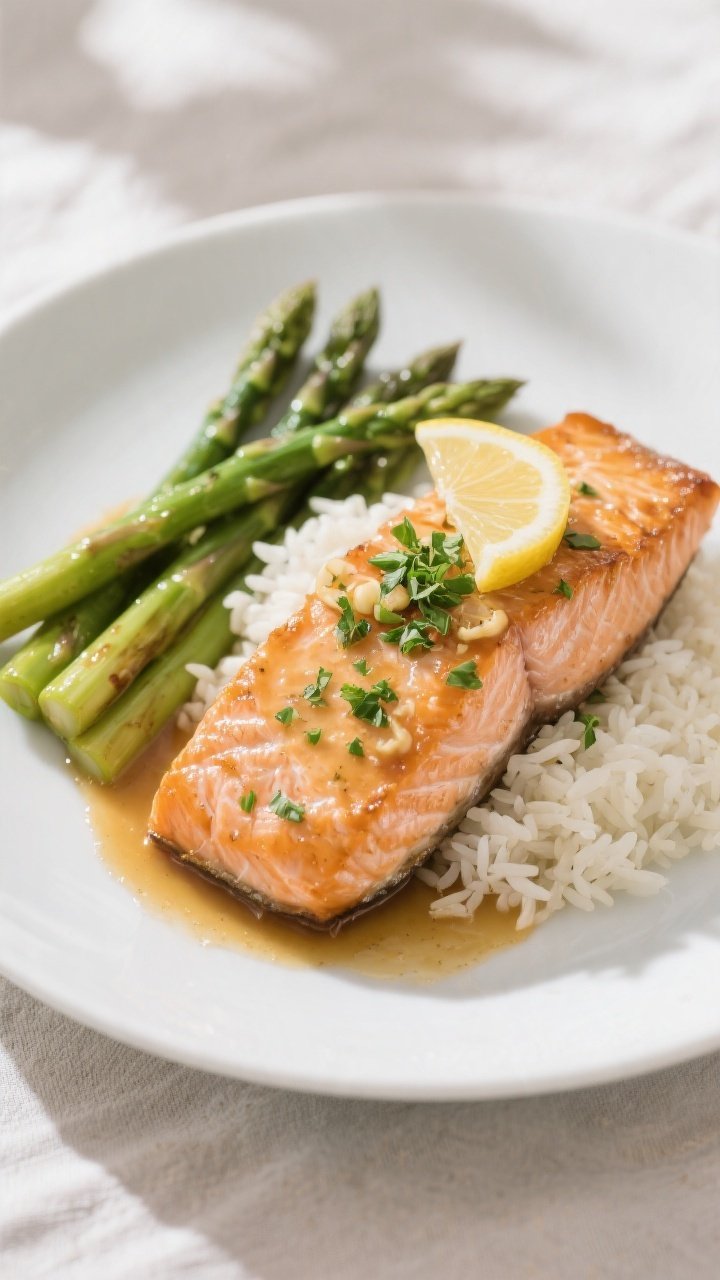
- Finish and serve: Return salmon to the pan or pour the sauce over the fish. Garnish with chopped parsley or chives and add lemon slices. Serve with rice, mashed potatoes, or steamed greens.
Why This Recipe Works
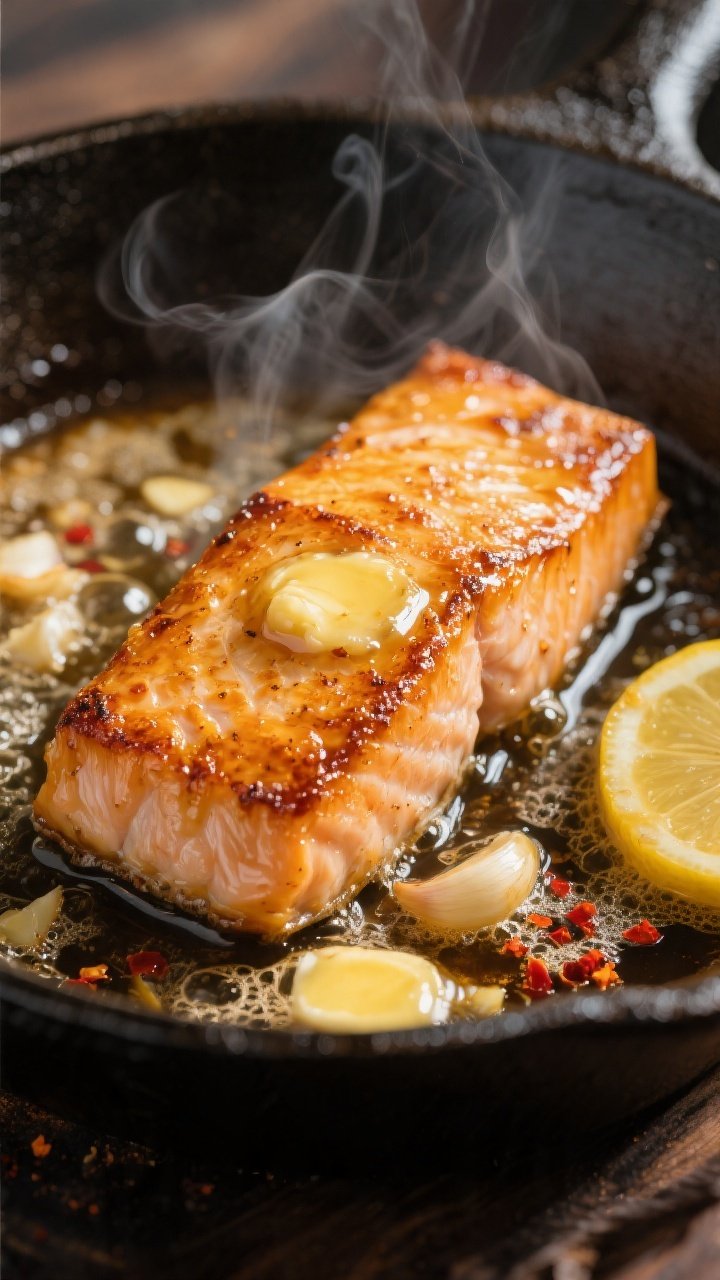
This honey garlic butter salmon hits all the right notes: savory, sweet, tangy, and rich. The honey caramelizes slightly in the heat, giving the salmon a glossy finish and lightly crisp edges.
Butter smooths everything out, while garlic adds depth and warmth.
The method is simple: sear for color, then finish in the oven or under a lid. This gives you tender, flaky salmon without overcooking. The sauce reduces just enough to coat each bite without turning sticky or burnt.
It’s flexible, too.
You can use fillets or a whole side of salmon and adjust the cook time. Plus, most of the ingredients are pantry staples, so you can make it on a whim.
Ingredients
- 1 1/2 to 2 pounds salmon (skin-on fillets or a whole side)
- 2 tablespoons olive oil (or avocado oil)
- 4 tablespoons unsalted butter
- 4 cloves garlic, minced
- 1/4 cup honey
- 2 tablespoons fresh lemon juice (plus extra wedges for serving)
- 1 tablespoon low-sodium soy sauce (or tamari)
- 1/2 teaspoon smoked paprika (optional, for color and flavor)
- 1/4 to 1/2 teaspoon red pepper flakes (optional, for heat)
- Kosher salt and freshly ground black pepper, to taste
- Fresh parsley or chives, chopped, for garnish
- Lemon slices, for finishing (optional)
Step-by-Step Instructions
- Prep the salmon: Pat the salmon dry with paper towels. Season both sides with salt and pepper.
If using individual fillets, let them sit at room temperature for 10 minutes to cook more evenly.
- Preheat and position: Heat your oven to 400°F (if finishing in the oven). Place an oven-safe skillet over medium-high heat. If you prefer stovetop-only, have a lid ready.
- Make the sauce base: In a small bowl, whisk together honey, lemon juice, and soy sauce.
Keep the garlic separate for now to avoid burning during the initial sear.
- Sear the salmon: Add olive oil to the hot skillet. Place salmon in the pan skin-side down if using skin-on. Cook without moving for 3–4 minutes to develop a golden crust.
- Add butter and garlic: Reduce heat to medium.
Drop in the butter and let it melt. Add the garlic and cook for 20–30 seconds, stirring, until fragrant. Do not brown the garlic.
- Glaze with honey mixture: Pour the honey-lemon-soy sauce around and over the salmon.
Sprinkle in smoked paprika and red pepper flakes if using. Spoon sauce over the fish.
- Finish cooking:
- Oven method: Transfer the skillet to the oven and roast for 5–8 minutes, depending on thickness, until the salmon flakes easily and reaches 125–130°F in the thickest part.
- Stovetop method: Cover and cook on low for 3–6 minutes, basting occasionally, until just cooked through.
- Rest and reduce: Remove the salmon to a plate and let it rest for 2–3 minutes. Meanwhile, simmer the sauce for 1–2 minutes to thicken slightly, if needed.
- Finish and serve: Return salmon to the pan or pour the sauce over the fish.
Garnish with chopped parsley or chives and add lemon slices. Serve with rice, mashed potatoes, or steamed greens.
How to Store
- Refrigerate: Store leftover salmon and sauce in an airtight container for up to 3 days.
- Reheat gently: Warm in a skillet over low heat with a splash of water or broth, or microwave at 50% power in short bursts. Avoid high heat to prevent drying.
- Freeze: You can freeze cooked salmon for up to 2 months, though the texture is best fresh.
Thaw overnight in the fridge before reheating.
- Meal prep tip: Keep the sauce separate when storing if you plan to reheat in a skillet—it prevents over-reducing.
Health Benefits
Salmon is rich in omega-3 fatty acids, which support heart and brain health. It’s also a great source of high-quality protein, vitamin D, and B vitamins. The combination keeps you full without feeling heavy.
Garlic adds antioxidants and potential immune benefits.
Lemon provides vitamin C and bright flavor without extra calories. Using a balanced amount of honey offers sweetness with a gentler glycemic impact compared to refined sugar.
For a lighter plate, serve with roasted vegetables or a leafy salad. You’ll get fiber, color, and crunch alongside a satisfying protein.
Common Mistakes to Avoid
- Overcooking the fish: Salmon goes from juicy to dry fast.
Pull it at 125–130°F and let carryover heat finish the job.
- Burning the garlic or honey: Add garlic after the initial sear and lower the heat before pouring in the honey mixture.
- Skipping the pat-dry step: Excess moisture prevents a good sear and dilutes the sauce.
- Not preheating the pan: A hot skillet builds that caramelized crust quickly.
- Using too much heat at the end: Reduce to medium-low once the sauce is in to avoid scorching.
Recipe Variations
- Ginger twist: Add 1 teaspoon fresh grated ginger to the garlic for a zingy, takeout-style profile.
- Citrus swap: Use orange juice and zest instead of lemon for a sweeter, rounder flavor.
- Herb-forward: Stir in chopped dill or basil at the end. Both pair beautifully with salmon.
- Spicy honey: Replace red pepper flakes with a drizzle of hot honey for heat and shine.
- Sheet pan method: Place a whole side of salmon on a foil-lined tray, brush with sauce, and bake at 400°F for 12–15 minutes. Broil 1–2 minutes for color.
- Grill option: Grill skin-side down over medium heat.
Warm the sauce separately and brush on in the last few minutes to avoid flare-ups.
- No-soy version: Swap soy sauce for coconut aminos and add a pinch of salt to taste.
FAQ
Loved This Recipe?
If you're looking for more simple, healthy keto dinners, grab my FREE 7-Day Easy Keto Dinner Reset. You'll get 7 easy keto dinner recipes, simple grocery lists, and a done-for-you plan that takes the stress out of mealtime.
Can I use frozen salmon?
Yes. Thaw it in the fridge overnight, then pat very dry before cooking. Frozen salmon can release extra moisture, so drying well helps you get a good sear and prevents a watery sauce.
What pan works best?
A heavy skillet, like cast iron or stainless steel, gives you a better crust and even heat.
Nonstick works too, but avoid high heat and be gentle when flipping to protect the coating.
How do I know the salmon is done without a thermometer?
Press the thickest part with a fork. It should flake easily but still look slightly translucent in the center. If it’s opaque and very firm, it’s likely overdone.
Is the sauce very sweet?
It’s balanced.
The lemon juice and soy sauce cut the sweetness of the honey. For a less sweet sauce, reduce the honey to 2–3 tablespoons and add a bit more lemon.
Can I make it dairy-free?
Yes. Replace the butter with olive oil or a dairy-free butter.
The flavor will be a bit lighter, but still delicious.
What sides go well with this?
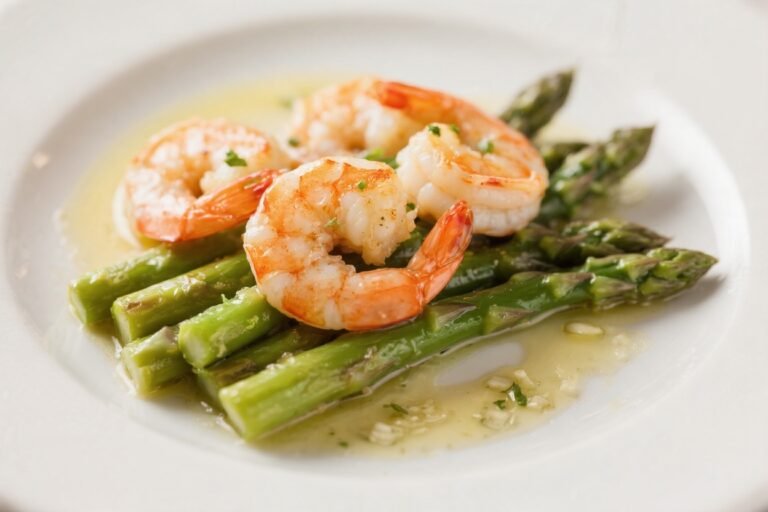
Try jasmine rice, garlic mashed potatoes, roasted broccoli, green beans, asparagus, or a simple cucumber salad. The sauce is great drizzled over sides, so don’t waste a drop.
Can I use skinless fillets?
Absolutely. Just be extra careful during the sear since skin helps hold the fish together.
A nonstick pan can help prevent sticking.
How do I prevent the sauce from burning?
Lower the heat once you add the honey mixture, and keep it moving with gentle spooning. If the pan looks too hot, remove it from the burner for 15–20 seconds to cool slightly, then continue.
What if my fillets are very thick?
Sear as usual, then finish in the oven for a few extra minutes. Check doneness early—thick pieces can look underdone on the sides but still be perfect in the center.
Can I scale the recipe for a crowd?
Yes.
Use a whole side of salmon on a sheet pan and double the sauce. Bake at 400°F, brush with sauce halfway, and broil briefly at the end for color.
In Conclusion
Honey garlic butter salmon is a reliable, crowd-pleasing dinner that tastes far more complicated than it is. With a quick sear, a silky sauce, and simple pantry ingredients, you get big flavor in minimal time.
Keep an eye on the heat, don’t overcook, and let the sauce do the heavy lifting. It’s the kind of recipe you’ll make once and then keep in your regular rotation.
Printable Recipe Card
Want just the essential recipe details without scrolling through the article? Get our printable recipe card with just the ingredients and instructions.
Need More Easy Keto Dinner Ideas?
Get my FREE 7-Day Easy Keto Dinner Reset and enjoy a full week of healthy dinners without the meal-planning stress.