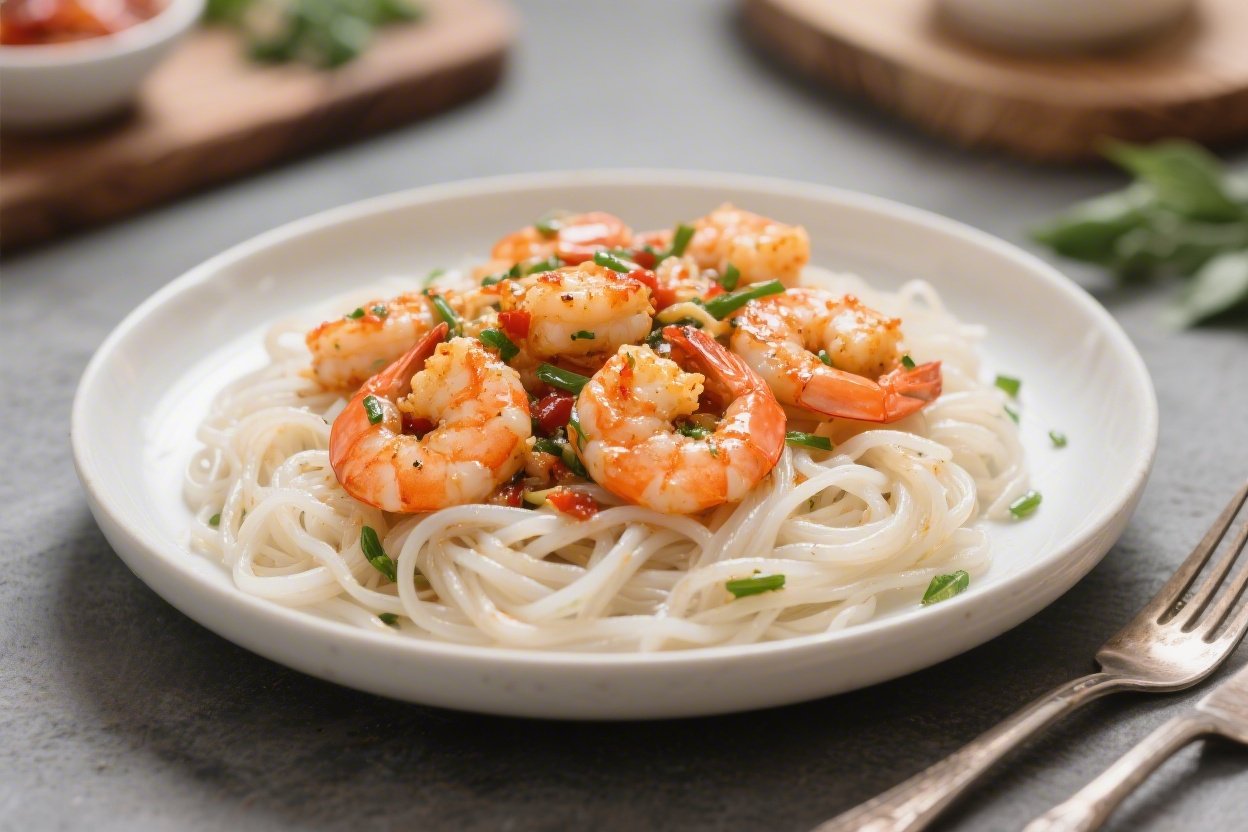
Keto Shrimp Scampi With Shirataki Noodles – Bright, Garlicky, and Low-Carb
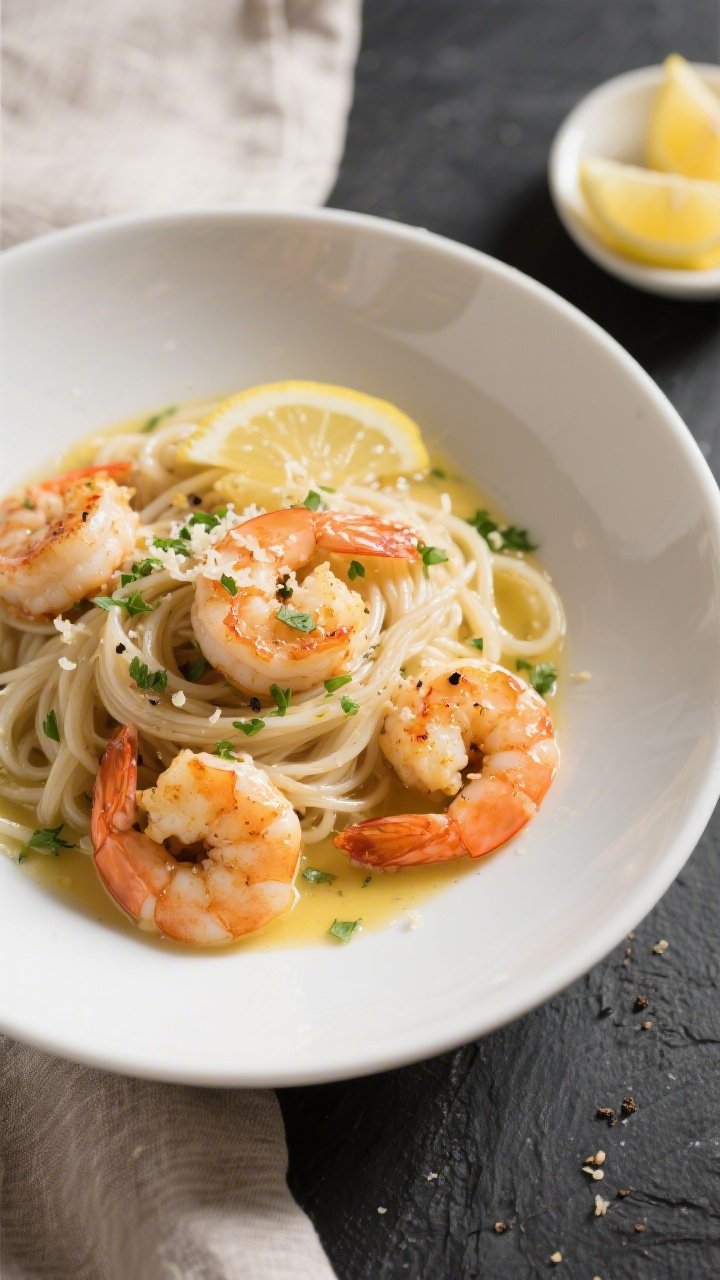
Shrimp scampi is classic comfort food, but the pasta can weigh you down and knock you out of ketosis. Shirataki noodles change the game. They’re light, low-carb, and soak up all that buttery, garlicky goodness.
This version keeps the flavor you love while trimming the carbs to near zero. It’s weeknight-easy, dinner-party worthy, and ready in about 20 minutes.
Ingredients
Method
- Prep the shrimp: Pat the shrimp dry with paper towels. Season both sides with salt and pepper. Dry shrimp sear better and stay juicy.
- Rinse and prep shirataki: Open the packages and drain. Rinse the noodles under cold water for 1–2 minutes to remove the natural aroma.
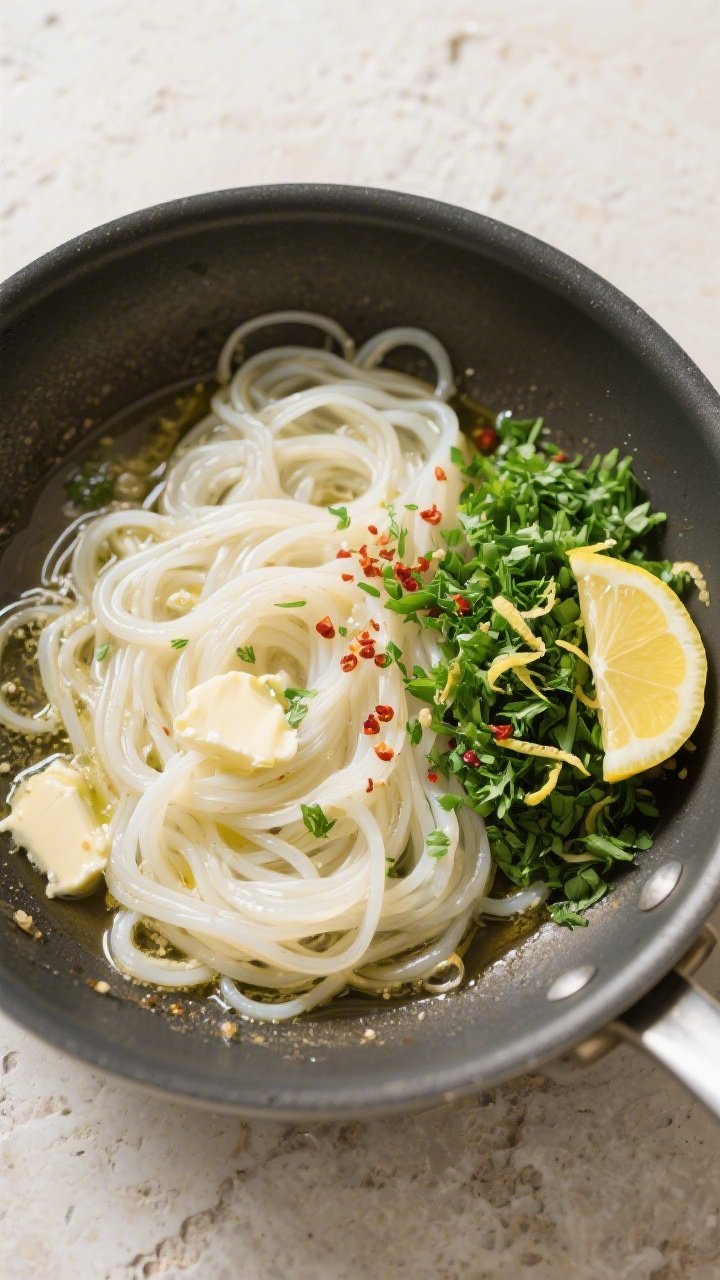
- Dry-fry the noodles: Add the rinsed noodles to a dry nonstick skillet over medium heat. Cook, stirring, for 3–5 minutes until they squeak slightly and release excess moisture. This helps them absorb sauce later. Transfer to a bowl and set aside.
- Heat the pan: In a large skillet, warm 1 tablespoon olive oil and 1 tablespoon butter over medium-high heat until the butter foams.
- Sear the shrimp: Add shrimp in a single layer. Cook 1–2 minutes per side until just pink and slightly opaque. Do not overcook. Transfer shrimp to a plate.
- Sauté the aromatics: Reduce heat to medium. Add remaining olive oil and butter. Stir in garlic and red pepper flakes. Cook 30–45 seconds until fragrant, not brown.
- Deglaze: Pour in the white wine or broth. Scrape up any browned bits. Simmer 1–2 minutes to let the alcohol cook off and the sauce reduce slightly.
- Add lemon: Stir in lemon zest and 1–2 tablespoons lemon juice. Taste and adjust. You want bright but balanced.
- Combine: Add the dry-fried shirataki noodles to the skillet. Toss to coat and warm through for 1–2 minutes so they absorb the sauce.
- Finish with shrimp: Return shrimp and any juices to the pan. Toss gently for 30–60 seconds until heated through. Season with salt and pepper as needed.
- Garnish and serve: Remove from heat. Stir in chopped parsley. Add a final squeeze of lemon if you like. Top with a light sprinkle of Parmesan if it fits your macros.

What Makes This Special
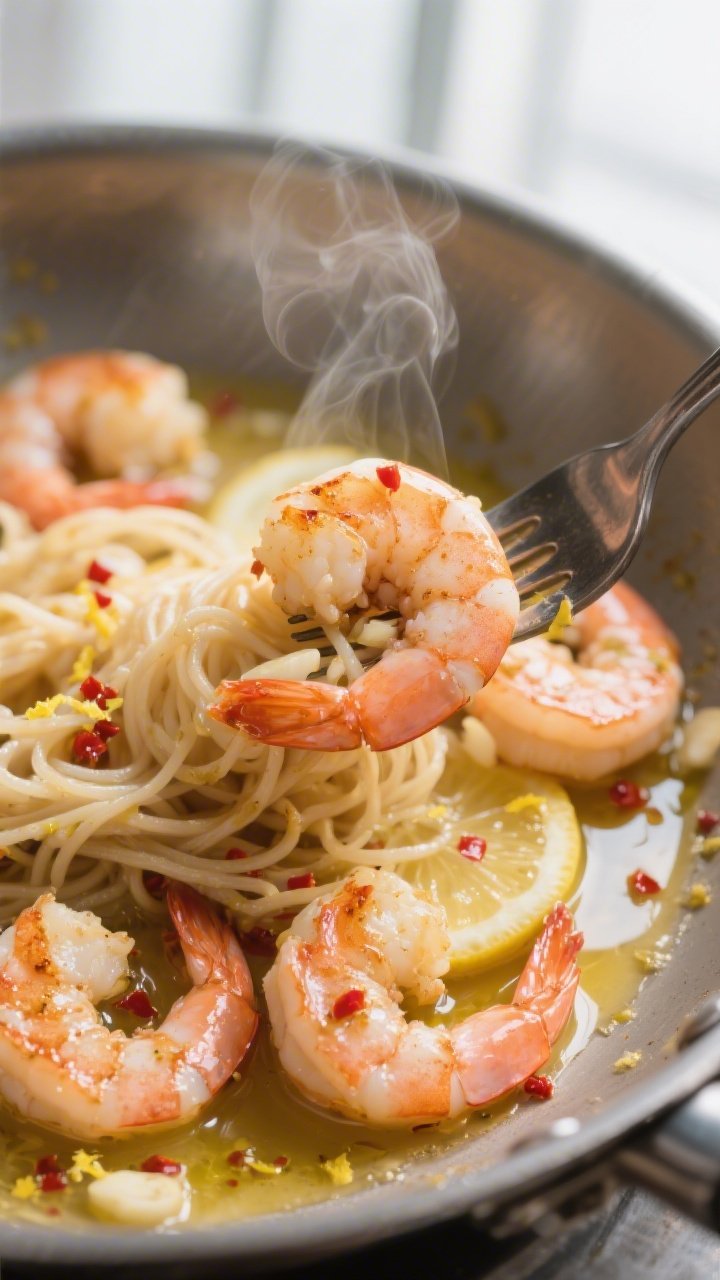
This dish hits that perfect balance: rich from butter and olive oil, bright from lemon and parsley, and just the right amount of heat from red pepper flakes. The shrimp cook fast, so nothing gets overdone.
Shirataki noodles bring the texture of pasta without the starch, and they take on flavor beautifully when prepared the right way. You’ll get a fresh, restaurant-style scampi that’s firmly keto and incredibly satisfying.
Shopping List
- Shrimp: 1 pound large shrimp, peeled and deveined (tails on or off)
- Shirataki noodles: 2 packages (7–8 ounces each), spaghetti or fettuccine style
- Butter: 3 tablespoons (use grass-fed if you prefer)
- Olive oil: 2 tablespoons, extra-virgin
- Garlic: 4–5 cloves, finely minced
- Lemon: 1 whole lemon (zest and juice)
- Dry white wine or broth: 1/3 cup (pinot grigio, sauvignon blanc, or chicken broth)
- Red pepper flakes: 1/4 to 1/2 teaspoon, to taste
- Fresh parsley: 1/4 cup, chopped
- Salt and pepper: To taste
- Optional finishers: Grated Parmesan, extra lemon wedges
Instructions
- Prep the shrimp: Pat the shrimp dry with paper towels. Season both sides with salt and pepper.
Dry shrimp sear better and stay juicy.
- Rinse and prep shirataki: Open the packages and drain. Rinse the noodles under cold water for 1–2 minutes to remove the natural aroma.
- Dry-fry the noodles: Add the rinsed noodles to a dry nonstick skillet over medium heat. Cook, stirring, for 3–5 minutes until they squeak slightly and release excess moisture.
This helps them absorb sauce later. Transfer to a bowl and set aside.
- Heat the pan: In a large skillet, warm 1 tablespoon olive oil and 1 tablespoon butter over medium-high heat until the butter foams.
- Sear the shrimp: Add shrimp in a single layer. Cook 1–2 minutes per side until just pink and slightly opaque.
Do not overcook. Transfer shrimp to a plate.
- Sauté the aromatics: Reduce heat to medium. Add remaining olive oil and butter.
Stir in garlic and red pepper flakes. Cook 30–45 seconds until fragrant, not brown.
- Deglaze: Pour in the white wine or broth. Scrape up any browned bits.
Simmer 1–2 minutes to let the alcohol cook off and the sauce reduce slightly.
- Add lemon: Stir in lemon zest and 1–2 tablespoons lemon juice. Taste and adjust. You want bright but balanced.
- Combine: Add the dry-fried shirataki noodles to the skillet.
Toss to coat and warm through for 1–2 minutes so they absorb the sauce.
- Finish with shrimp: Return shrimp and any juices to the pan. Toss gently for 30–60 seconds until heated through. Season with salt and pepper as needed.
- Garnish and serve: Remove from heat.
Stir in chopped parsley. Add a final squeeze of lemon if you like. Top with a light sprinkle of Parmesan if it fits your macros.
Keeping It Fresh
Shirataki noodles hold up better than traditional pasta, making leftovers a win.
Store the scampi in an airtight container in the fridge for up to 3 days. Reheat gently in a skillet over medium-low heat with a splash of broth or a small knob of butter. Avoid the microwave if possible—it can overcook the shrimp.
If you anticipate leftovers, slightly undercook the shrimp the first time so they reheat perfectly.
Health Benefits
- Very low net carbs: Shirataki noodles are made from konjac root, mostly glucomannan fiber, which has near-zero digestible carbs.
- High in protein: Shrimp delivers lean protein with minimal fat, supporting satiety and muscle maintenance on keto.
- Good fats: Olive oil and butter provide satisfying fats that help keep you full and add flavor without added sugar.
- Micronutrients: Shrimp offers selenium, iodine, and B12. Lemon and parsley bring vitamin C and antioxidants.
- Fiber support: Glucomannan may support gut health and promote fullness, which can help with appetite control.
What Not to Do
- Don’t skip rinsing and dry-frying the noodles. This step removes the aroma and helps them soak up sauce instead of tasting watery.
- Don’t overcook the shrimp. Rubberiness happens fast. Pull them as soon as they turn pink and barely opaque.
- Don’t burn the garlic. Bitter garlic ruins the sauce.
Keep heat moderate when sautéing aromatics.
- Don’t drown the dish in lemon. Balance is key. Add juice gradually and taste as you go.
- Don’t overload with cheese. A sprinkle is fine, but too much Parmesan can overpower the delicate shrimp.
Alternatives
- Protein swaps: Try scallops, chicken tenders, or a mix of shrimp and calamari. Adjust cook times accordingly.
- No alcohol option: Use chicken broth with a splash of apple cider vinegar for brightness.
- Herb variations: Basil, chives, or dill can stand in for parsley.
Keep it fresh and simple.
- Heat level: Add more red pepper flakes or a pinch of cayenne for extra kick.
- Different noodles: Zucchini noodles, hearts of palm noodles, or spaghetti squash also work and stay low-carb.
- Dairy-free: Swap butter for ghee or a quality plant-based butter that’s low in carbs.
FAQ
Do I have to dry-fry shirataki noodles?
Yes, if you want the best texture. Dry-frying drives off excess moisture and helps the noodles absorb sauce, making the whole dish more flavorful.
Can I use frozen shrimp?
Absolutely. Thaw them overnight in the fridge or quickly under cold running water, then pat very dry before cooking to get a good sear.
What wine works best?
A dry white like pinot grigio or sauvignon blanc is ideal.
If you’re avoiding alcohol, chicken broth with a squeeze of lemon works well.
How do I prevent rubbery shrimp?
Cook over medium-high heat and remove them as soon as they turn pink and just opaque. They’ll finish gently when tossed back into the hot sauce.
Is this recipe actually keto?
Yes. Shirataki noodles have near-zero net carbs, and the rest of the ingredients are keto-friendly.
Watch the lemon juice and any added Parmesan to keep carbs minimal.
Can I make it spicy?
Sure. Increase red pepper flakes or add a pinch of chili powder. Taste as you go so the heat complements, not overwhelms, the lemon and garlic.
What pan should I use?
A large stainless steel or nonstick skillet works well.
You want enough surface area to sear the shrimp and room to toss the noodles in the sauce.
How can I thicken the sauce without flour?
Reduce it a bit longer over heat, add a small extra pat of butter to emulsify, or grate a touch of Parmesan to lightly enrich the texture.
Can I meal prep this?
Yes, but keep the shrimp slightly undercooked and store the noodles and sauce together. Reheat gently and add a squeeze of fresh lemon right before serving.
What if I don’t like the smell of shirataki?
Rinse well, boil for 1–2 minutes if you prefer, and then dry-fry. These steps remove the smell and leave a neutral base for sauce.
Wrapping Up
Keto Shrimp Scampi with Shirataki Noodles delivers big flavor with minimal carbs and minimal effort.
With a few smart steps—properly prepping the noodles, searing the shrimp fast, and balancing lemon and garlic—you’ll have a bright, buttery bowl that feels special any night of the week. Keep this recipe in your rotation for a quick, satisfying dinner that stays aligned with your goals.
Printable Recipe Card
Want just the essential recipe details without scrolling through the article? Get our printable recipe card with just the ingredients and instructions.