3-Ingredient Crepes – Light, Fast, and Foolproof
Crepes feel special, but they couldn’t be simpler to make at home. With just three basic ingredients and a skillet, you can turn out a stack of thin, tender crepes in minutes. They’re perfect for sweet or savory fillings, from berries and yogurt to ham and cheese.
The batter mixes quickly, cooks fast, and tastes delicate without being fussy. If you’re craving something impressive without the effort, this is your go-to recipe.
Ingredients
Method
- Make the batter: In a bowl, whisk the eggs until smooth. Add the milk and whisk again. Sprinkle in the flour gradually, whisking until the batter is silky with no visible lumps. If you want, add a pinch of salt and a little sugar or vanilla for sweet crepes.
- Check the texture: The batter should be thinner than pancake batter—like heavy cream. If it feels thick, whisk in 1–3 tablespoons of milk to loosen.
- Rest the batter (recommended): Let it sit for 10–20 minutes at room temperature. This helps the flour hydrate and makes the crepes more tender. If you’re short on time, you can skip, but resting improves results.
- Preheat the pan: Set a nonstick skillet or crepe pan over medium heat. When a drop of water sizzles and skips across the surface, it’s ready.
- Lightly grease: Wipe the pan with a thin film of butter or oil using a paper towel. You want it slick, not greasy.
- Pour and swirl: Lift the pan off the heat, pour in about 1/4 cup of batter, and quickly tilt and rotate the pan so the batter spreads into a thin circle. Return the pan to the heat.
- Cook the first side: Cook for 30–45 seconds until the edges look dry and lift slightly, and the surface looks set.
- Flip gently: Slide a thin spatula under the edge and flip. Cook for 15–25 seconds on the second side. The crepe should be spotty golden, not brown all over.
- Repeat: Transfer cooked crepes to a plate and cover loosely with a clean towel to keep them warm and pliable. Lightly grease the pan as needed and continue until all batter is used.
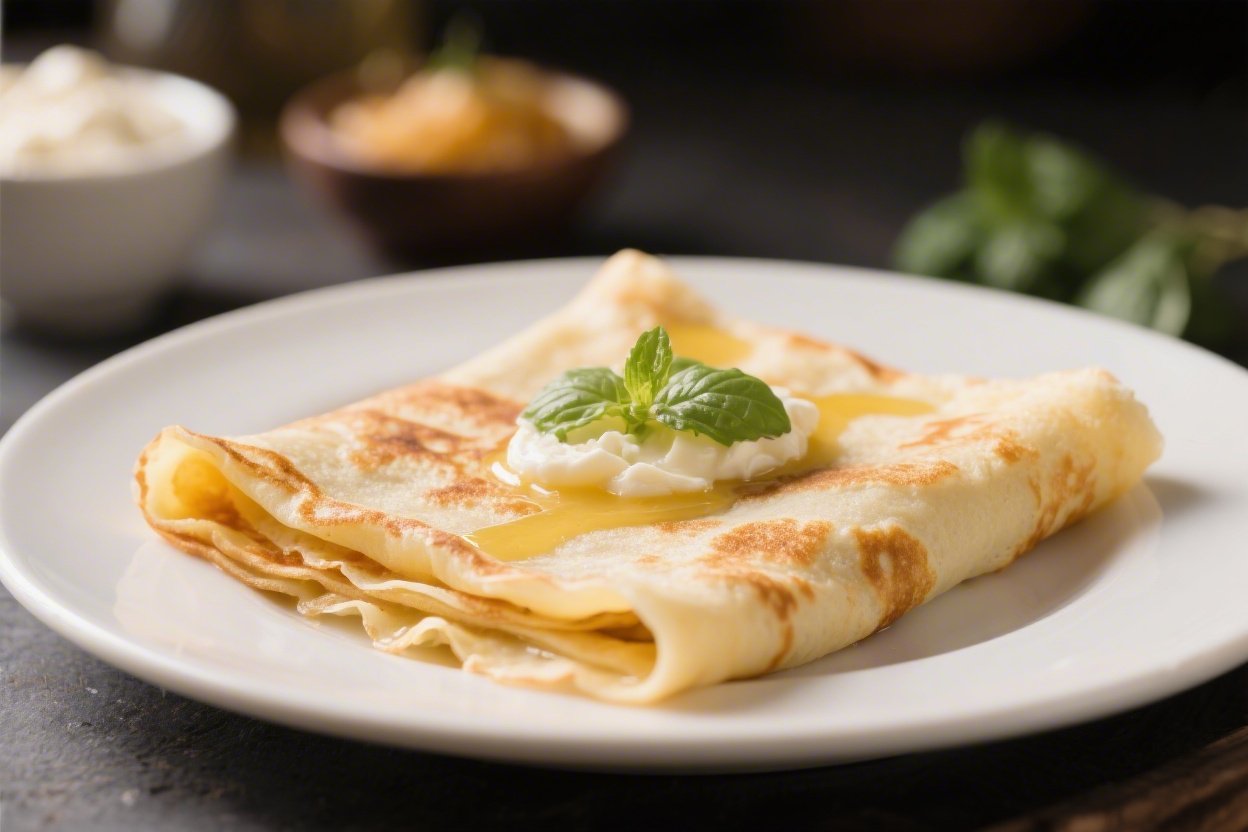
- Fill and serve: Spread with jam, Nutella, lemon and sugar, or fold with ham and cheese. Roll or fold into quarters and enjoy right away.
Why This Recipe Works
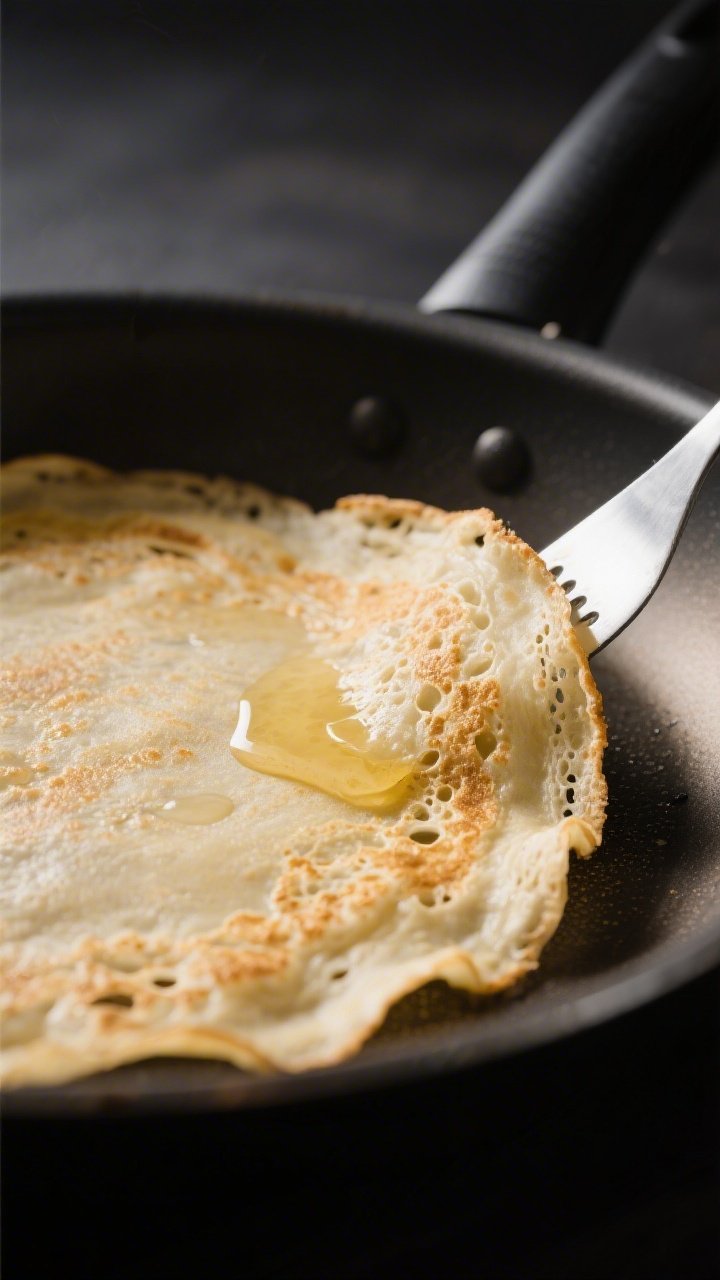
Three ingredients keep things simple and consistent. Eggs bring structure and rich flavor, milk adds moisture and tenderness, and flour holds everything together for a flexible, rollable crepe. The batter is thin, so it spreads easily into a lacy, even layer.
With a short rest, the flour hydrates and the bubbles settle, giving you crepes that are smooth, soft, and never rubbery.
Because the flavors are neutral, you can swing sweet or savory without changing the base. The method is also forgiving. As long as your pan is preheated and lightly greased, the crepes release cleanly and cook in under a minute.
Shopping List
- All-purpose flour – 1 cup (120 g)
- Milk – 1 1/2 cups (360 ml), any kind you like
- Eggs – 2 large
- Butter or neutral oil – for the pan
- Optional add-ins – pinch of salt, 1–2 teaspoons sugar, 1/2 teaspoon vanilla (for sweet), or a pinch of salt and herbs (for savory)
Step-by-Step Instructions
- Make the batter: In a bowl, whisk the eggs until smooth.
Add the milk and whisk again. Sprinkle in the flour gradually, whisking until the batter is silky with no visible lumps. If you want, add a pinch of salt and a little sugar or vanilla for sweet crepes.
- Check the texture: The batter should be thinner than pancake batter—like heavy cream.
If it feels thick, whisk in 1–3 tablespoons of milk to loosen.
- Rest the batter (recommended): Let it sit for 10–20 minutes at room temperature. This helps the flour hydrate and makes the crepes more tender. If you’re short on time, you can skip, but resting improves results.
- Preheat the pan: Set a nonstick skillet or crepe pan over medium heat.
When a drop of water sizzles and skips across the surface, it’s ready.
- Lightly grease: Wipe the pan with a thin film of butter or oil using a paper towel. You want it slick, not greasy.
- Pour and swirl: Lift the pan off the heat, pour in about 1/4 cup of batter, and quickly tilt and rotate the pan so the batter spreads into a thin circle. Return the pan to the heat.
- Cook the first side: Cook for 30–45 seconds until the edges look dry and lift slightly, and the surface looks set.
- Flip gently: Slide a thin spatula under the edge and flip.
Cook for 15–25 seconds on the second side. The crepe should be spotty golden, not brown all over.
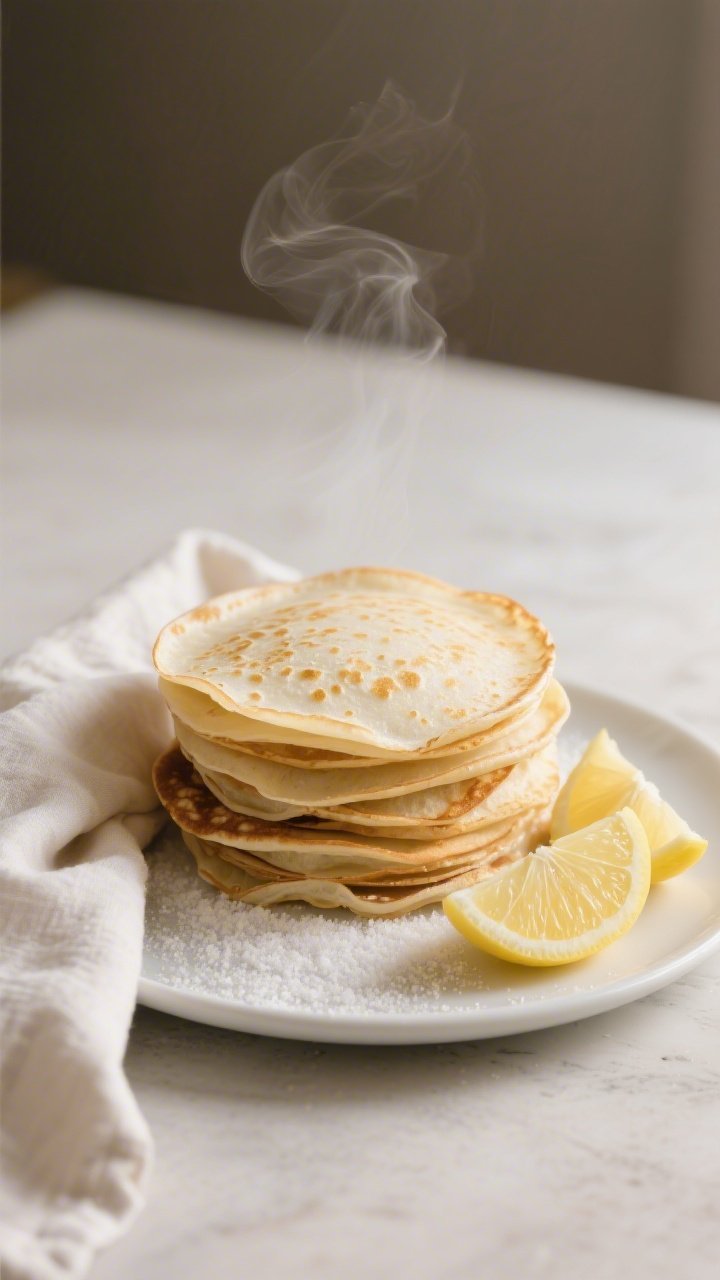
- Repeat: Transfer cooked crepes to a plate and cover loosely with a clean towel to keep them warm and pliable. Lightly grease the pan as needed and continue until all batter is used.
- Fill and serve: Spread with jam, Nutella, lemon and sugar, or fold with ham and cheese.
Roll or fold into quarters and enjoy right away.
How to Store
- Refrigerate: Stack cooled crepes with parchment between each one. Wrap tightly and refrigerate for up to 3 days.
- Freeze: Wrap the parchment-stacked crepes in plastic, then foil, and freeze for up to 2 months. Thaw overnight in the fridge or at room temperature for 30–45 minutes.
- Reheat: Warm in a dry nonstick pan over low heat for 10–20 seconds per side, or microwave in short bursts covered with a damp paper towel to keep them soft.
- Make-ahead batter: Refrigerate the batter for up to 24 hours.
Whisk briefly before using; add a splash of milk if it thickened.

Why This is Good for You
Crepes are light yet satisfying, with a good balance of protein from the eggs and carbohydrates from the flour. They’re a canvas for nutrient-dense fillings like fresh fruit, yogurt, smoked salmon, sautéed veggies, or nut butter. Because the recipe is simple and portionable, you can tailor the toppings to your goals—higher protein, more fiber, or lower sugar.
They also help with mindful eating.
One or two crepes with a thoughtful filling can feel indulgent without being heavy. Paired with fruit or a salad, you’ve got a balanced meal or snack.
Common Mistakes to Avoid
- Using a cold pan: If the pan isn’t hot enough, the batter won’t set quickly, and your crepes may tear or clump. Preheat until a water droplet sizzles.
- Too much fat in the pan: A heavy layer of butter can make the batter slide around without grabbing.
Use a thin, even film.
- Overmixing or skipping the rest: Vigorously whisking can add bubbles that lead to holes. Mix just until smooth and rest the batter for a better texture.
- Pouring too much batter: Thick crepes turn gummy. Start with about 1/4 cup for a 9–10 inch pan and adjust by feel.
- Overcooking: Crepes should be pale with light golden spots.
Dark brown means they’ll be dry and brittle.
- Flipping too soon: If the surface is still shiny and wet, wait another 5–10 seconds before flipping.
Recipe Variations
- Lemon Sugar: Sprinkle a hot crepe with 1–2 teaspoons sugar and a squeeze of fresh lemon. Fold into quarters.
- Chocolate Hazelnut: Spread with Nutella, add sliced bananas or strawberries, and dust with cocoa.
- Ham and Gruyère: Add a slice of ham and a handful of grated cheese after flipping. Fold and heat until melty.
- Spinach and Feta: Fill with sautéed spinach, crumbled feta, and a crack of black pepper.
- Cinnamon Apple: Spoon warm, lightly sautéed apples with cinnamon over the crepe.
Finish with a dollop of yogurt or whipped cream.
- Gluten-Free: Swap in a cup-for-cup gluten-free blend or buckwheat flour for a nutty, classic Breton-style feel.
- Dairy-Free: Use almond, oat, or soy milk and oil instead of butter for cooking.
- High-Protein: Whisk in 1–2 tablespoons of plain Greek yogurt or a small scoop of unflavored protein powder, loosening with extra milk as needed.
FAQ
Do I really need to rest the batter?
Loved This Recipe?
If you're looking for more simple, healthy keto dinners, grab my FREE 7-Day Easy Keto Dinner Reset. You'll get 7 easy keto dinner recipes, simple grocery lists, and a done-for-you plan that takes the stress out of mealtime.
It’s not mandatory, but it helps. A 10–20 minute rest lets the flour hydrate and air bubbles settle, giving your crepes a smoother texture and fewer tears.
Why are my crepes sticking to the pan?
The pan may be too cool, or you might need a light film of fat. Preheat properly and wipe a thin layer of butter or oil across the surface before each crepe as needed.
How thin should the batter be?
A little thicker than milk but thinner than pancake batter—think heavy cream.
If it doesn’t spread easily when you swirl, whisk in a spoonful or two of milk.
Can I use whole wheat flour?
Yes, but use white whole wheat or a 50/50 mix with all-purpose for a tender result. Pure whole wheat can make crepes a bit denser and more flavorful.
What size pan works best?
A 9–10 inch nonstick skillet or crepe pan is ideal. Smaller pans make thicker crepes unless you use very little batter; larger pans require more batter and quick swirling.
Can I make them ahead for guests?
Absolutely.
Cook the crepes, stack with parchment, and refrigerate up to 3 days. Reheat briefly in a dry skillet and fill just before serving.
How do I keep crepes warm while I finish the batch?
Place finished crepes on a plate, cover with a clean towel, and keep in a low oven (about 200°F/95°C). Don’t seal tightly or they’ll steam and get sticky.
What if I don’t have a nonstick pan?
Use a well-seasoned stainless steel or cast-iron skillet and be generous with preheating and that light film of fat.
The first crepe is often a tester—adjust from there.
Can I make mini crepes?
Yes. Use 1–2 tablespoons of batter per crepe in a small pan, or pour several small rounds in a large skillet. They cook even faster, so watch closely.
Why are my crepes tearing?
Common causes are batter that’s too thin, a pan that’s too cool, or flipping too early.
Thicken slightly with a teaspoon of flour, heat the pan more, and wait until the edges dry before flipping.
Wrapping Up
3-Ingredient Crepes prove that simple can be special. With eggs, milk, and flour, you get a flexible base for breakfast, brunch, or dessert in under 20 minutes. Keep the method in your back pocket, play with fillings, and enjoy a reliable recipe you’ll make again and again.
Once you master the swirl, you’ll wonder why you ever thought crepes were complicated.
Printable Recipe Card
Want just the essential recipe details without scrolling through the article? Get our printable recipe card with just the ingredients and instructions.
Need More Easy Keto Dinner Ideas?
Get my FREE 7-Day Easy Keto Dinner Reset and enjoy a full week of healthy dinners without the meal-planning stress.