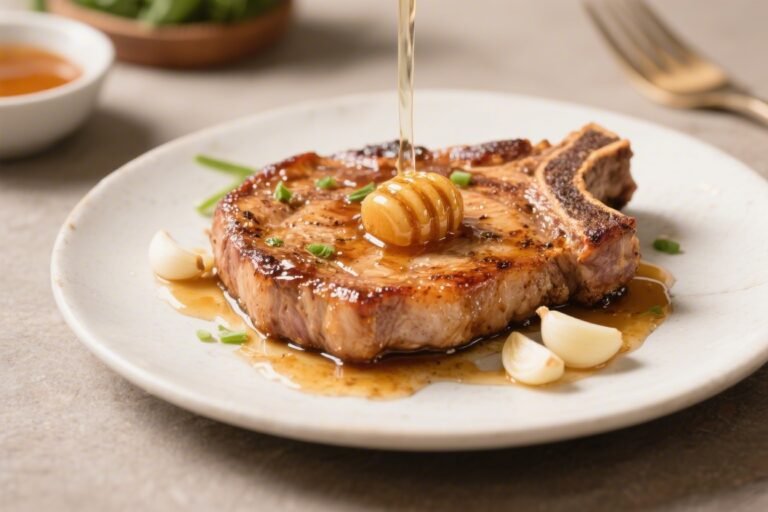
Keto Garlic Herb Pork Tenderloin – Simple, Juicy, And Flavor-Packed
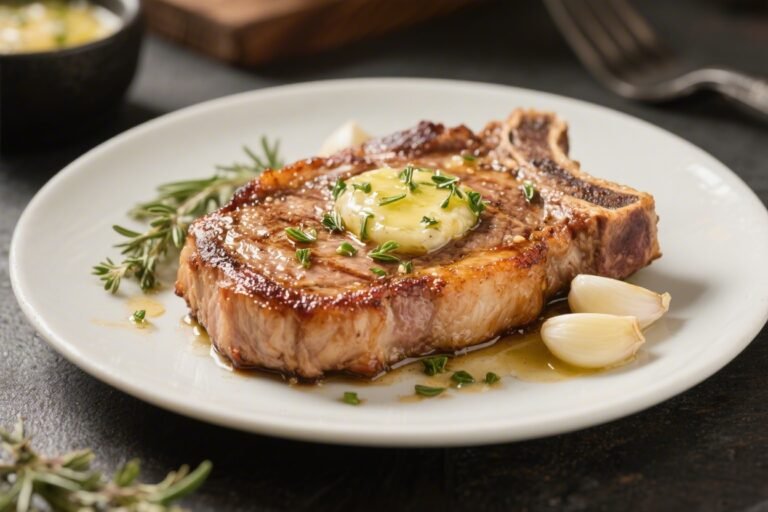
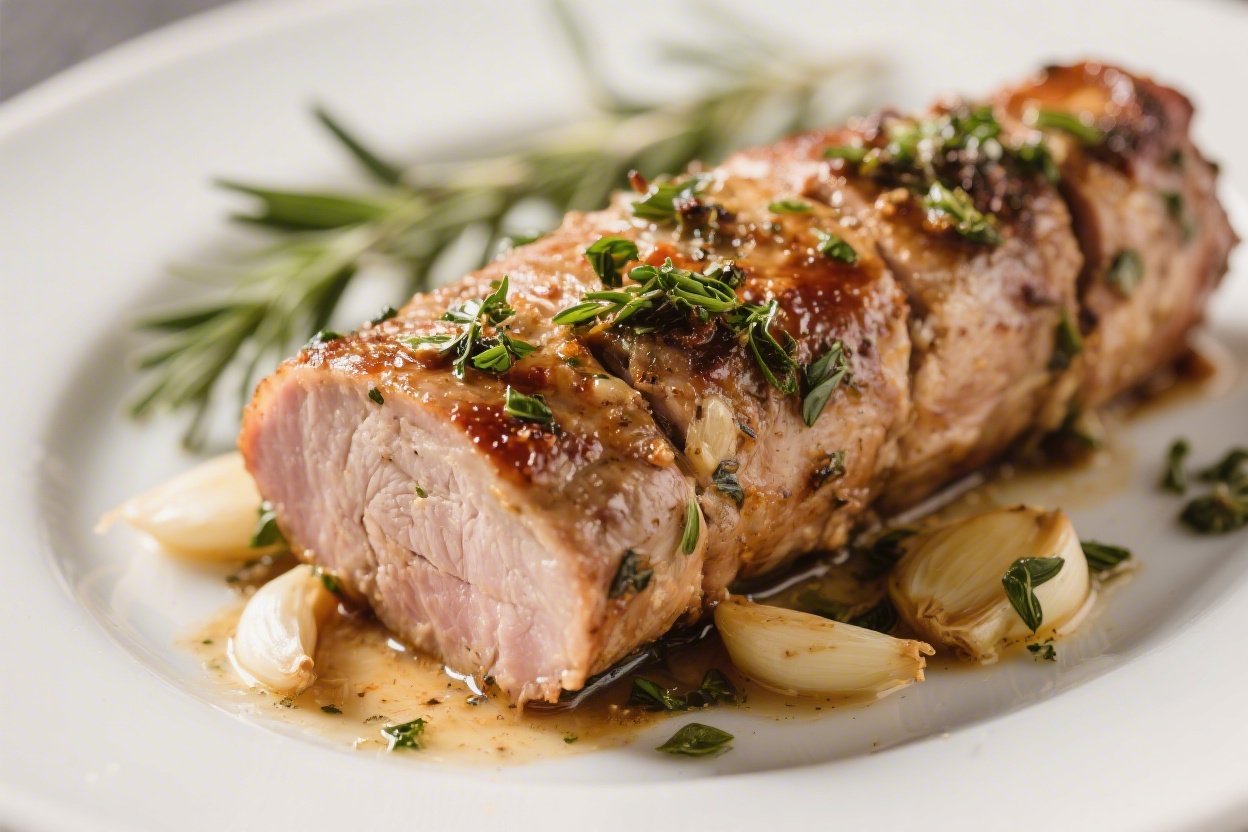
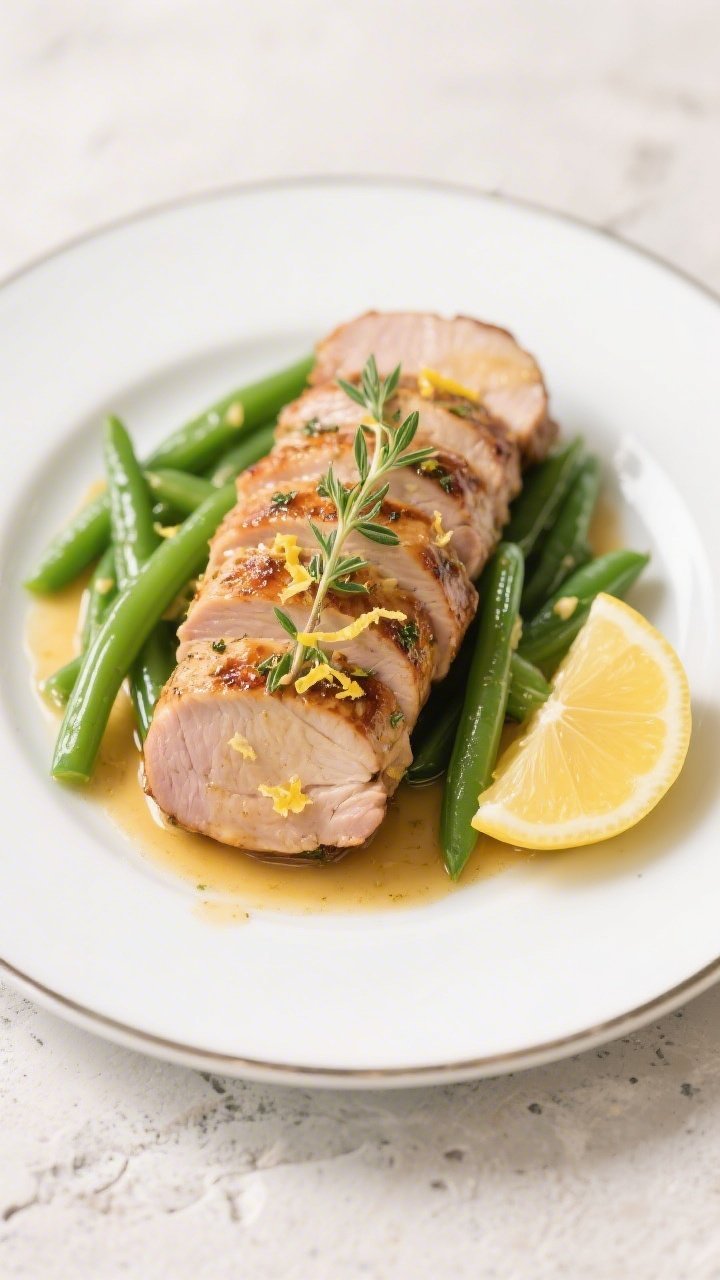
This Keto Garlic Herb Pork Tenderloin is a weeknight winner that tastes like a special occasion. It’s tender, juicy, and coated in a fragrant blend of garlic, rosemary, and thyme. You get big flavor with very little effort, and it stays perfectly low-carb.
Serve it with a crisp salad or buttery green beans, and you’ve got a satisfying meal with clean, fresh flavors. If you want something that looks impressive and cooks fast, this is the one.
Ingredients
Method
- Preheat and prep: Set your oven to 400°F (200°C). Pat the pork tenderloin very dry with paper towels. Dry surface = better sear and better crust.
- Make the garlic herb rub: In a small bowl, mix 1 tablespoon olive oil, minced garlic, rosemary, thyme, onion powder, salt, pepper, lemon zest, and Dijon mustard.
- Season the pork: Rub the mixture all over the tenderloin, pressing gently so it adheres. Let it sit for 10 minutes while the oven heats. This short rest helps the flavors stick and the meat temper.
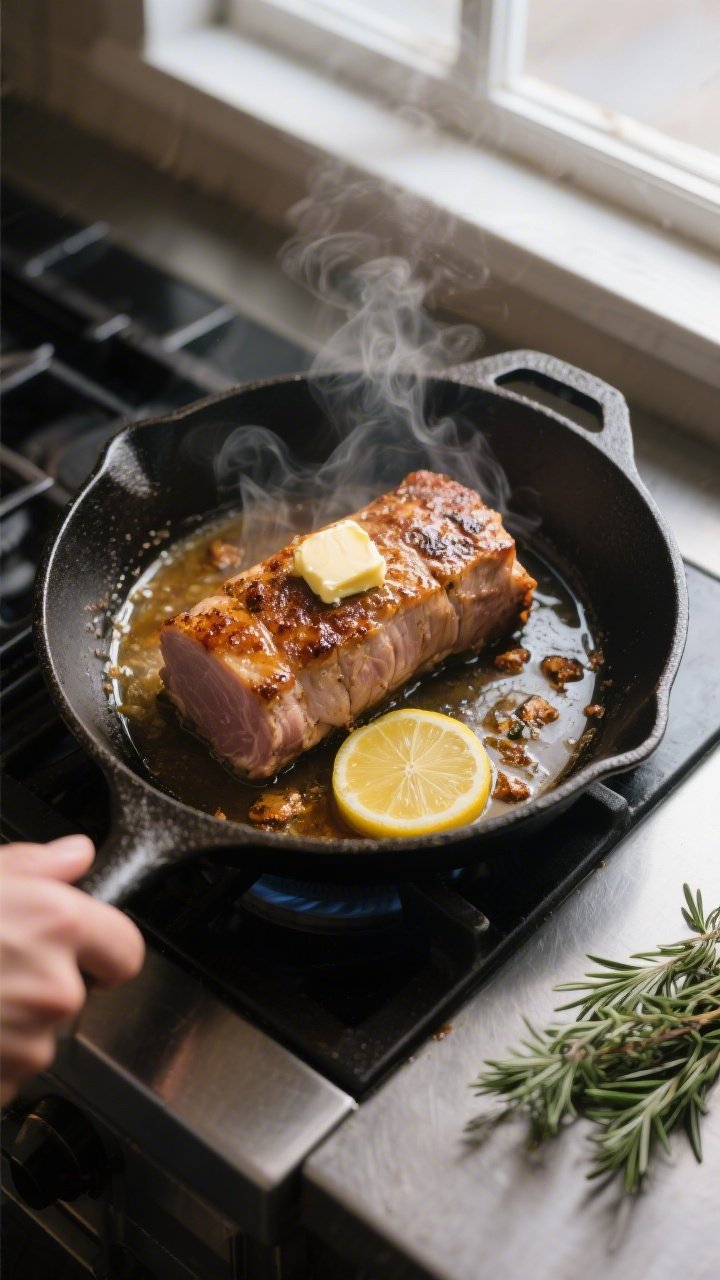
- Sear on the stove: Heat a large oven-safe skillet over medium-high and add the remaining 1 tablespoon olive oil. Sear the tenderloin 1–2 minutes per side until lightly browned all over. Don’t cook it through yet; you’re just building color and flavor.
- Roast to finish: Transfer the skillet to the oven. Roast for 12–18 minutes, depending on thickness, until the internal temperature reaches 140–145°F (60–63°C) in the thickest part.
- Rest the meat: Move the tenderloin to a cutting board and tent loosely with foil. Rest for 8–10 minutes. This keeps it juicy and lets the temperature even out.
- Optional pan sauce: Return the skillet to medium heat on the stove. Add broth and lemon juice, scraping up browned bits. Simmer 2–3 minutes to reduce slightly, then stir in butter until glossy. Taste and adjust salt and pepper.
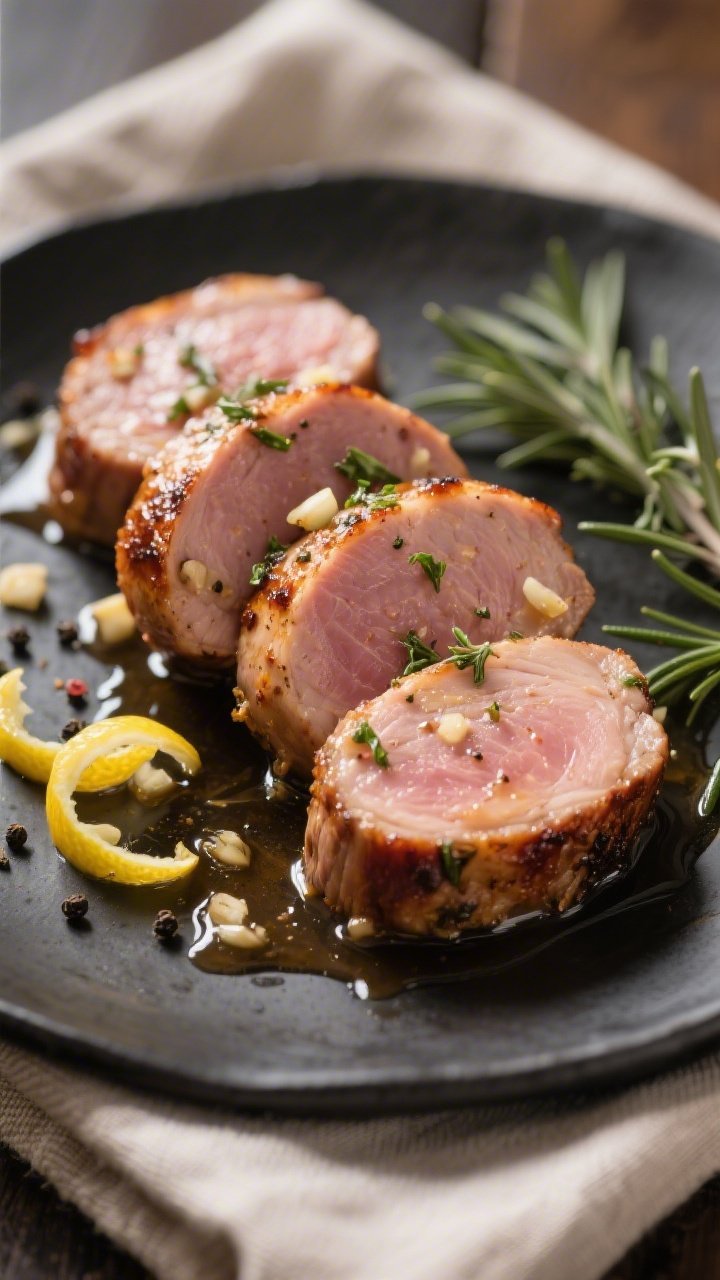
- Slice and serve: Cut the tenderloin into 1/2-inch medallions. Spoon the pan sauce over the top and serve with your favorite low-carb sides.
What Makes This Special
- Quick to cook: Pork tenderloin is lean and small, so it roasts in under 25 minutes after a quick sear.
- Big flavor, low carb: Garlic, herbs, lemon zest, and olive oil do the heavy lifting without added sugars.
- Juicy every time: A simple stove-to-oven method helps avoid dryness.
- Meal-prep friendly: Leftovers slice beautifully for salads, bowls, or lettuce wraps.
- Pan sauce bonus: A quick butter-and-broth finish keeps carbs low while adding a glossy, savory finish.
Ingredients
- 1 pork tenderloin (about 1 to 1.5 pounds), silver skin trimmed
- 2 tablespoons olive oil, divided
- 4 cloves garlic, finely minced
- 1 tablespoon fresh rosemary, finely chopped (or 1 teaspoon dried)
- 1 tablespoon fresh thyme leaves, chopped (or 1 teaspoon dried)
- 1 teaspoon onion powder
- 1 teaspoon kosher salt (more to taste)
- 1/2 teaspoon black pepper
- 1 teaspoon lemon zest
- 1 tablespoon lemon juice
- 1 tablespoon Dijon mustard (check label for no added sugar)
- 1 tablespoon unsalted butter (optional for pan sauce)
- 1/3 cup chicken broth or bone broth (optional for pan sauce)
Step-by-Step Instructions
- Preheat and prep: Set your oven to 400°F (200°C). Pat the pork tenderloin very dry with paper towels.
Dry surface = better sear and better crust.
- Make the garlic herb rub: In a small bowl, mix 1 tablespoon olive oil, minced garlic, rosemary, thyme, onion powder, salt, pepper, lemon zest, and Dijon mustard.
- Season the pork: Rub the mixture all over the tenderloin, pressing gently so it adheres. Let it sit for 10 minutes while the oven heats. This short rest helps the flavors stick and the meat temper.
- Sear on the stove: Heat a large oven-safe skillet over medium-high and add the remaining 1 tablespoon olive oil.
Sear the tenderloin 1–2 minutes per side until lightly browned all over. Don’t cook it through yet; you’re just building color and flavor.
- Roast to finish: Transfer the skillet to the oven. Roast for 12–18 minutes, depending on thickness, until the internal temperature reaches 140–145°F (60–63°C) in the thickest part.
- Rest the meat: Move the tenderloin to a cutting board and tent loosely with foil.
Rest for 8–10 minutes. This keeps it juicy and lets the temperature even out.
- Optional pan sauce: Return the skillet to medium heat on the stove. Add broth and lemon juice, scraping up browned bits.
Simmer 2–3 minutes to reduce slightly, then stir in butter until glossy. Taste and adjust salt and pepper.
- Slice and serve: Cut the tenderloin into 1/2-inch medallions. Spoon the pan sauce over the top and serve with your favorite low-carb sides.
How to Store
- Refrigerator: Store sliced pork in an airtight container for up to 4 days.
Keep any sauce separate if possible to maintain texture.
- Freezer: Freeze portions tightly wrapped (or vacuum-sealed) for up to 2 months. Thaw overnight in the fridge for the best texture.
- Reheating: Warm gently in a covered skillet over low heat with a splash of broth or water. Avoid microwaving on high—short bursts at 50% power help prevent dryness.
Health Benefits
- Keto-friendly macros: Pork tenderloin is lean and high in protein with virtually no carbs.
The fat in olive oil and butter helps keep you satisfied and supports ketosis.
- Rich in micronutrients: Pork provides B vitamins (especially B6 and B12), zinc, and selenium, which support energy and immune function.
- Anti-inflammatory herbs: Garlic, rosemary, and thyme bring antioxidants and natural compounds that support overall wellness.
- No added sugars: The flavors come from whole ingredients, not sweet glazes, which keeps blood sugar stable.
What Not to Do
- Don’t overcook: Going above 150°F will dry out the tenderloin. Pull at 140–145°F and rest.
- Don’t skip drying the meat: Surface moisture blocks browning and leaves you with a pale crust.
- Don’t slice too soon: Cutting before resting causes juices to run out and the texture to suffer.
- Don’t overload the pan: Crowding prevents a proper sear. Use a large skillet or sear in batches if needed.
- Don’t rely on color alone: Use an instant-read thermometer for accuracy.
Alternatives
- Herb swaps: Try sage, marjoram, or Italian seasoning if you don’t have rosemary and thyme.
Fresh parsley adds brightness at the end.
- Spice kick: Add red pepper flakes or a pinch of smoked paprika to the rub.
- Mustard options: Use whole-grain mustard or a sugar-free stone-ground mustard for a rustic texture.
- Cooking method: No oven-safe skillet? Sear in a pan, then transfer the pork to a baking sheet to finish in the oven. Or grill over medium-high heat, turning every few minutes until 140–145°F.
- Sauce variations: Swap broth for a splash of dry white wine (if it fits your plan), or whisk in a spoonful of sour cream off the heat for a creamy finish.
- Serving ideas: Pair with roasted asparagus, garlicky sautéed spinach, cauliflower mash, or a crisp arugula salad with lemon and olive oil.
FAQ
Is pork tenderloin the same as pork loin?
No.
Pork tenderloin is a small, long, and very lean cut that cooks quickly. Pork loin is larger, wider, and takes longer to roast. They are not interchangeable in timing.
Can I make this ahead?
Loved This Recipe?
If you're looking for more simple, healthy keto dinners, grab my FREE 7-Day Easy Keto Dinner Reset. You'll get 7 easy keto dinner recipes, simple grocery lists, and a done-for-you plan that takes the stress out of mealtime.
You can mix the rub and coat the pork up to 12 hours ahead.
Keep it covered in the fridge, then sear and roast when ready. Let it sit at room temperature for 20 minutes before cooking for more even results.
What’s the best internal temperature?
Aim for 140–145°F (60–63°C) and rest for 8–10 minutes. This yields juicy, slightly rosy slices and is considered safe when rested properly.
How do I keep it from drying out?
Use a thermometer, don’t overcook, and let it rest.
A quick pan sauce also adds moisture and richness without adding many carbs.
Can I use dried herbs?
Yes. Use about one-third the amount compared to fresh. Dried rosemary and thyme are potent, so a little goes a long way.
Is Dijon mustard keto?
Most Dijon mustards are very low in carbs, but check the label to avoid brands with added sugars.
A teaspoon or two typically adds minimal carbs.
What if I don’t have a cast-iron skillet?
Any oven-safe skillet works. If you only have a regular pan, sear on the stove and transfer the pork to a preheated baking sheet to finish roasting.
Can I double the recipe?
Yes. Sear each tenderloin separately for proper browning, then roast together on a sheet pan.
Start checking temperature a few minutes earlier to avoid overcooking thinner pieces.
How many carbs are in this?
Exact counts vary by brand and portion size, but the base recipe is typically 1–2 net carbs per serving, mainly from garlic, mustard, and herbs.
What sides keep it keto?
Great options include roasted Brussels sprouts, cauliflower mash, zucchini noodles with olive oil, or a leafy green salad with a lemony vinaigrette.
Final Thoughts
Keto Garlic Herb Pork Tenderloin gives you the best combo: fast prep, big flavor, and a tender, juicy result. It’s easy enough for a Tuesday but polished enough for guests. Keep a thermometer handy, rest the meat, and finish with a simple pan sauce for a reliable, restaurant-style finish.
With fresh herbs and clean ingredients, this is one of those recipes you’ll keep coming back to—simple, satisfying, and solidly keto.
Printable Recipe Card
Want just the essential recipe details without scrolling through the article? Get our printable recipe card with just the ingredients and instructions.
Need More Easy Keto Dinner Ideas?
Get my FREE 7-Day Easy Keto Dinner Reset and enjoy a full week of healthy dinners without the meal-planning stress.